FILMS AND VIDEOS OF ARTISTS AT THE ITAÚ CULTURAL COLLECTION ||| FILMES E VÍDEOS DE ARTISTAS NA COLEÇÃO ITAÚ CULTURAL
Itaú Cultural – São Paulo, Brazil, 2016-2017 ||| Itaú Cultural – São Paulo, Brasil, 2016-2017
Curated by Roberto Moreira S. Cruz ||| Curadoria de Roberto Moreira S. Cruz
Museu de Arte Contemporânea do Ceará - Ceará, Brazil - 2016 ||| Museu de Arte Contemporânea do Ceará - Ceará, Brasil - 2016
Itaú Cultural - São Paulo, Brazil - March 17th to May 22th 2016 ||| Itaú Cultural - São Paulo, Brasil - 17 de Março a 22 de Maio, 2016
Instituto Figueiredo Ferraz - Ribeirão Preto, Brazil - February 21st to April 29th 2017 ||| Instituto Figueiredo Ferraz - Ribeirão Preto, Brazil -21 de Fevereiro a 29 de Abril, 2017
Films and Videos of Artists in the Itaú Cultural Collection brings together works at the intersection of cinema and visual arts, including the pioneers of the genre - such as Nelson Leirner, Regina Silveira and Anna Bella Geiger - and more recent creators, such as Paulo Bruscky, Rafael França and Letícia Ramos. ||| Filmes e Vídeos de Artistas na Coleção Itaú Cultural reúne obras na interseção entre cinema e artes visuais, abrangendo os pioneiros do gênero – como Nelson Leirner, Regina Silveira e Anna Bella Geiger – e criadores mais recentes, como Paulo Bruscky, Rafael França e Letícia Ramos.
The Itaú Cultural Collection is part of Itaú Unibanco's collection of works of art, which brings together approximately 13,000 paintings, prints, photographs, sculptures, installations and other items. Gathered for about 60 years, they outline national art and are part of the largest artistic collection of a private company in Latin America. ||| A Coleção Itaú Cultural compõe o acervo de obras de arte do Itaú Unibanco, que reúne cerca de 13 mil pinturas, gravuras, fotografias, esculturas, instalações e outros itens. Reunidos por cerca de 60 anos, delineiam a arte nacional e integram a maior coleção artística de uma companhia privada na América Latina.
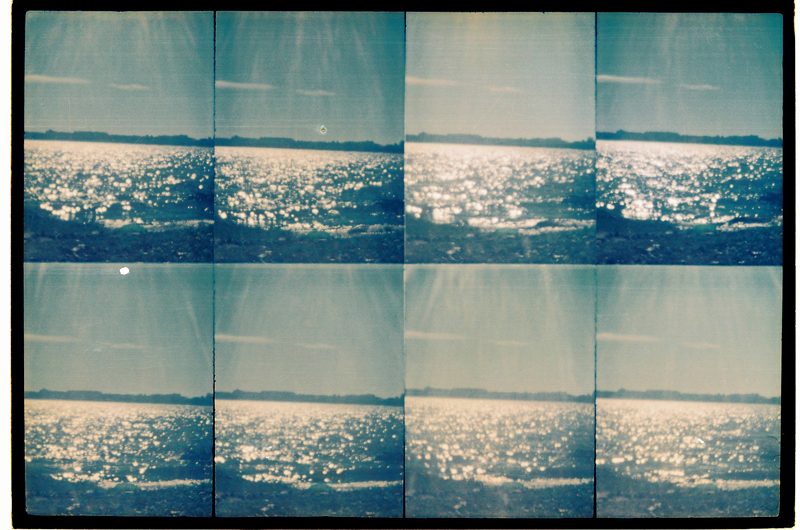
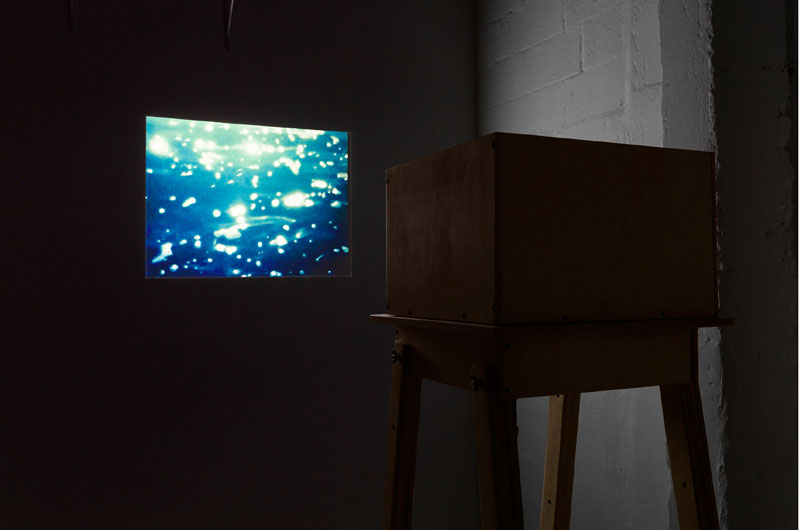
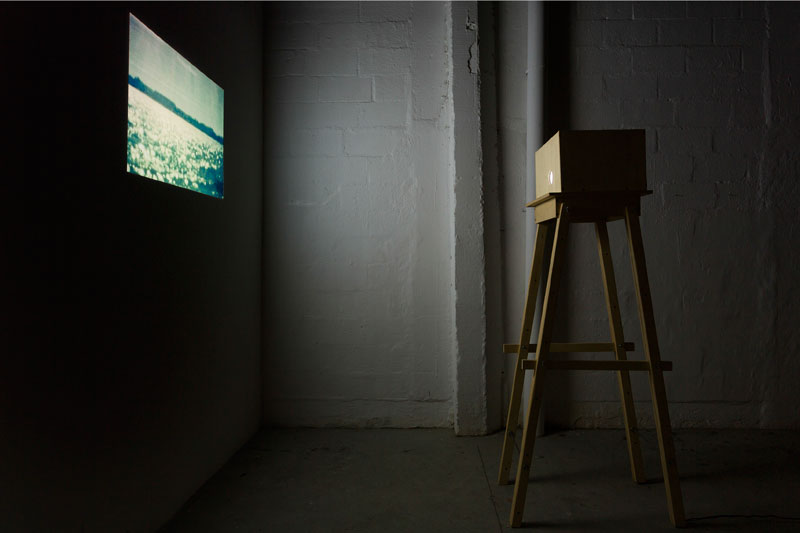
![SEA - videosculpture - wood, projector and video transferred to 35 mm, variable dimensions, N/A, 2008 ||| MAR - videoescultura - madeira, projetor e vídeo transferidos para 35 mm, dimensões variáveis, N / A, 2008]()
![SEA - videosculpture - wood, projector and video transferred to 35 mm, variable dimensions, N/A, 2008 ||| SEA - videoescultura - madeira, projetor e vídeo transferidos para 35 mm, dimensões variáveis, N / A, 2008]()
![SEA - videosculpture - wood, projector and video transferred to 35 mm, variable dimensions, N/A, 2008 ||| SEA - videoescultura - madeira, projetor e vídeo transferidos para 35 mm, dimensões variáveis, N / A, 2008]()
Why Video? ||| Por que Vídeo?
At your fingertips, you probably have a device capable of viewing and recording videos. With the same probability, you spend a good part of the day watching audiovisual content on sites like YouTube. The video today is a way to get information, to communicate, to have fun. It builds our memory and is a way of placing ourselves in the world. ||| Ao alcance da mão, você provavelmente tem um dispositivo capaz de exibir e gravar vídeos. Com a mesma probabilidade, você dedica boa parte do dia a ver conteúdo audiovisual em sites como o YouTube. O video hoje é um meio de se informar, de se comunicar, de se divertir. Constrói a nossa memória e é um modo de nos colocarmos no mundo.
This condition, these possibilities, you share with the artist. For this reason, the works shown in Films and Videos of Artists in the Itaú Cultural Collection are close to our experience. ||| Essa condição, essas possibilidades você compartilha com o artista. Por isso, as obras exibidas em Filmes e Vídeos de Artistas na Coleção Itaú Cultural são próximas da nossa experiência.
We record, photograph, and also record because it is simple. In the 1970s, the ease of new technology encouraged artists to experiment - such are the cases of Regina Silveira and Anna Bella Geiger. Nowadays, creators like Cao Guimarães talk about free recording and how it creates opportunities for some works to emerge from chance. ||| Gravamos, fotografamos e registramos também porque é simples. Na década de 1970, a facilidade de uma tecnologia nova estimulou os artistas a experimentar –são os casos de Regina Silveira e Anna Bella Geiger. Na atualidade, criadores cómo Cao Guimarães falam a respeito da gravação livre e de cómo ela cria oportunidades para que algumas obras surjam do acaso.
In this sense, what may be interesting in the works exhibited is the way in which they extrapolate everyday contact with moving images - from the choice of what to film, through the way it is filmed, to the equipment used. Each way of using technology has a meaning. ||| Nesse sentido, o que pode ser interessante nas obras exibidas é o modo como extrapolam o contato cotidiano com as imagens em movimento – desde a escolha do que filmar, passando pela forma como é filmada, até o equipamento usado. Cada jeito de usar a tecnologia tem um sentido.
The arrangement of the works in a room, on the other hand, is a break with a known format - in the cinema, we are immersed in darkness, glued to the chair, eyes fixed ahead. In an exhibition, we come and go; the visit has more than predetermined duration and suggested routes. There is also a lack of urgency for social media notifications. It is another relationship between body, space, and time.
What else is different between your previous experiences and the possible ones in the exhibition? ||| Já a disposição dos trabalhos em uma sala é uma quebra com um formato conhecido – no cinema, ficamos imersos na escuridão, grudados à cadeira, olhos fixos à frente. Em uma exposição, vamos e voltamos; a visita tem duração e percursos sugeridos mais do que predeterminados. Também falta a urgência das notificações das redes sociais. É outra relação entre corpo, espaço e tempo.
O que mais é diferente entre as suas experiências anteriores e as possíveis na exposição?
Art is an Exchange ||| A Arte é uma Troca
“The work of art does not have an exact function, such as, for example, a toothpaste”, comments visual artist Cao Guimarães in an interview with Itaú Cultural. "It doesn't have a direct objective function and you don't know what has changed." With the paste, he recalls, you can tell if your tooth is clean. But, with art, “you don't know if your brain has become cleaner or if your healing has become more open. Something has changed in you, but you don't know exactly what that is”.
Something similar expresses Letícia Ramos, another artist who makes up the show. She says that an artistic work "will cause strangeness, it will cause various sensations, it will communicate with you, or it will not communicate with you or it will communicate with you two months later, a year later". It is, therefore, a doubtful experience, difficult to define and, in many ways, different for each person. ||| “A obra de arte não tem uma função exata, como, por exemplo, uma pasta de dente”, comenta o artista visual Cao Guimarães em entrevista ao Itaú Cultural. “Não tem uma função objetiva direta e você não sabe o que mudou.” Com a pasta, lembra ele, você pode notar se o seu dente ficou limpo. Mas, com a arte, “você não sabe se o seu cérebro ficou mais limpinho ou se o seu coração ficou mais aberto. Alguma coisa mudou em você, mas você não sabe o que é isso exatamente”.
Algo parecido expressa Letícia Ramos, outra artista que compõe a mostra. Diz ela que um trabalho artístico “vai causar estranhamento, vai causar várias sensações, vai se comunicar com você, ou não vai se comunicar com você ou vai se comunicar com você dois meses depois, um ano depois”. É uma experiência, portanto, duvidosa, difícil de delimiter e, em muitos sentidos, diferente para cada pessoa.
More than functions, it seems that works create relationships; is what is perceived in the words of Leandro Lima. According to him, it is not so much about having discipline, however, each contact has its possibilities: “We want you to be able to relate to the work in the first ten seconds. And that you have content for two minutes. If you have 20 minutes, you will still be able to have something more with this job ”. ||| Mais do que funções, parece que as obras criam relacionamentos; é o que se percebe nas palavras de Leandro Lima. Segundo ele, não se trata tanto de ter disciplina, porém, cada contato tem suas possibilidades: “A gente quer que você consiga se relacionar com a obra já nos primeiros dez segundos. E que você tenha conteúdo para dois minutos. Se você tiver 20 minutos, ainda vai poder ter mais alguma coisa com esse trabalho”.
So, what matters is how you make your journey through the works. According to Thiago Rocha Pitta, “Nothing is free, everything is an exchange. You give something to receive”. ||| Desse modo, o que importa é como você faz o seu percurso pelas obras. De acordo com Thiago Rocha Pitta, “Nada é de graça, tudo é uma troca. Você dá alguma coisa para receber”.
Itaú Cultural – São Paulo, Brazil, 2016-2017 ||| Itaú Cultural – São Paulo, Brasil, 2016-2017
Curated by Roberto Moreira S. Cruz ||| Curadoria de Roberto Moreira S. Cruz
Museu de Arte Contemporânea do Ceará - Ceará, Brazil - 2016 ||| Museu de Arte Contemporânea do Ceará - Ceará, Brasil - 2016
Itaú Cultural - São Paulo, Brazil - March 17th to May 22th 2016 ||| Itaú Cultural - São Paulo, Brasil - 17 de Março a 22 de Maio, 2016
Instituto Figueiredo Ferraz - Ribeirão Preto, Brazil - February 21st to April 29th 2017 ||| Instituto Figueiredo Ferraz - Ribeirão Preto, Brazil -21 de Fevereiro a 29 de Abril, 2017
Films and Videos of Artists in the Itaú Cultural Collection brings together works at the intersection of cinema and visual arts, including the pioneers of the genre - such as Nelson Leirner, Regina Silveira and Anna Bella Geiger - and more recent creators, such as Paulo Bruscky, Rafael França and Letícia Ramos. ||| Filmes e Vídeos de Artistas na Coleção Itaú Cultural reúne obras na interseção entre cinema e artes visuais, abrangendo os pioneiros do gênero – como Nelson Leirner, Regina Silveira e Anna Bella Geiger – e criadores mais recentes, como Paulo Bruscky, Rafael França e Letícia Ramos.
The Itaú Cultural Collection is part of Itaú Unibanco's collection of works of art, which brings together approximately 13,000 paintings, prints, photographs, sculptures, installations and other items. Gathered for about 60 years, they outline national art and are part of the largest artistic collection of a private company in Latin America. ||| A Coleção Itaú Cultural compõe o acervo de obras de arte do Itaú Unibanco, que reúne cerca de 13 mil pinturas, gravuras, fotografias, esculturas, instalações e outros itens. Reunidos por cerca de 60 anos, delineiam a arte nacional e integram a maior coleção artística de uma companhia privada na América Latina.
Why Video? ||| Por que Vídeo?
At your fingertips, you probably have a device capable of viewing and recording videos. With the same probability, you spend a good part of the day watching audiovisual content on sites like YouTube. The video today is a way to get information, to communicate, to have fun. It builds our memory and is a way of placing ourselves in the world. ||| Ao alcance da mão, você provavelmente tem um dispositivo capaz de exibir e gravar vídeos. Com a mesma probabilidade, você dedica boa parte do dia a ver conteúdo audiovisual em sites como o YouTube. O video hoje é um meio de se informar, de se comunicar, de se divertir. Constrói a nossa memória e é um modo de nos colocarmos no mundo.
This condition, these possibilities, you share with the artist. For this reason, the works shown in Films and Videos of Artists in the Itaú Cultural Collection are close to our experience. ||| Essa condição, essas possibilidades você compartilha com o artista. Por isso, as obras exibidas em Filmes e Vídeos de Artistas na Coleção Itaú Cultural são próximas da nossa experiência.
We record, photograph, and also record because it is simple. In the 1970s, the ease of new technology encouraged artists to experiment - such are the cases of Regina Silveira and Anna Bella Geiger. Nowadays, creators like Cao Guimarães talk about free recording and how it creates opportunities for some works to emerge from chance. ||| Gravamos, fotografamos e registramos também porque é simples. Na década de 1970, a facilidade de uma tecnologia nova estimulou os artistas a experimentar –são os casos de Regina Silveira e Anna Bella Geiger. Na atualidade, criadores cómo Cao Guimarães falam a respeito da gravação livre e de cómo ela cria oportunidades para que algumas obras surjam do acaso.
In this sense, what may be interesting in the works exhibited is the way in which they extrapolate everyday contact with moving images - from the choice of what to film, through the way it is filmed, to the equipment used. Each way of using technology has a meaning. ||| Nesse sentido, o que pode ser interessante nas obras exibidas é o modo como extrapolam o contato cotidiano com as imagens em movimento – desde a escolha do que filmar, passando pela forma como é filmada, até o equipamento usado. Cada jeito de usar a tecnologia tem um sentido.
The arrangement of the works in a room, on the other hand, is a break with a known format - in the cinema, we are immersed in darkness, glued to the chair, eyes fixed ahead. In an exhibition, we come and go; the visit has more than predetermined duration and suggested routes. There is also a lack of urgency for social media notifications. It is another relationship between body, space, and time.
What else is different between your previous experiences and the possible ones in the exhibition? ||| Já a disposição dos trabalhos em uma sala é uma quebra com um formato conhecido – no cinema, ficamos imersos na escuridão, grudados à cadeira, olhos fixos à frente. Em uma exposição, vamos e voltamos; a visita tem duração e percursos sugeridos mais do que predeterminados. Também falta a urgência das notificações das redes sociais. É outra relação entre corpo, espaço e tempo.
O que mais é diferente entre as suas experiências anteriores e as possíveis na exposição?
Art is an Exchange ||| A Arte é uma Troca
“The work of art does not have an exact function, such as, for example, a toothpaste”, comments visual artist Cao Guimarães in an interview with Itaú Cultural. "It doesn't have a direct objective function and you don't know what has changed." With the paste, he recalls, you can tell if your tooth is clean. But, with art, “you don't know if your brain has become cleaner or if your healing has become more open. Something has changed in you, but you don't know exactly what that is”.
Something similar expresses Letícia Ramos, another artist who makes up the show. She says that an artistic work "will cause strangeness, it will cause various sensations, it will communicate with you, or it will not communicate with you or it will communicate with you two months later, a year later". It is, therefore, a doubtful experience, difficult to define and, in many ways, different for each person. ||| “A obra de arte não tem uma função exata, como, por exemplo, uma pasta de dente”, comenta o artista visual Cao Guimarães em entrevista ao Itaú Cultural. “Não tem uma função objetiva direta e você não sabe o que mudou.” Com a pasta, lembra ele, você pode notar se o seu dente ficou limpo. Mas, com a arte, “você não sabe se o seu cérebro ficou mais limpinho ou se o seu coração ficou mais aberto. Alguma coisa mudou em você, mas você não sabe o que é isso exatamente”.
Algo parecido expressa Letícia Ramos, outra artista que compõe a mostra. Diz ela que um trabalho artístico “vai causar estranhamento, vai causar várias sensações, vai se comunicar com você, ou não vai se comunicar com você ou vai se comunicar com você dois meses depois, um ano depois”. É uma experiência, portanto, duvidosa, difícil de delimiter e, em muitos sentidos, diferente para cada pessoa.
More than functions, it seems that works create relationships; is what is perceived in the words of Leandro Lima. According to him, it is not so much about having discipline, however, each contact has its possibilities: “We want you to be able to relate to the work in the first ten seconds. And that you have content for two minutes. If you have 20 minutes, you will still be able to have something more with this job ”. ||| Mais do que funções, parece que as obras criam relacionamentos; é o que se percebe nas palavras de Leandro Lima. Segundo ele, não se trata tanto de ter disciplina, porém, cada contato tem suas possibilidades: “A gente quer que você consiga se relacionar com a obra já nos primeiros dez segundos. E que você tenha conteúdo para dois minutos. Se você tiver 20 minutos, ainda vai poder ter mais alguma coisa com esse trabalho”.
So, what matters is how you make your journey through the works. According to Thiago Rocha Pitta, “Nothing is free, everything is an exchange. You give something to receive”. ||| Desse modo, o que importa é como você faz o seu percurso pelas obras. De acordo com Thiago Rocha Pitta, “Nada é de graça, tudo é uma troca. Você dá alguma coisa para receber”.